


NightClub Simulator
4.7226.00 Reviews
App Specs
- Version
- 1.1.2
- Updated On
- License
- Free
- Downloads
- 1,000,000+
- Developer
- Ant Hill Games
- Categories
- Simulation
- Platform
- Android
Screenshots
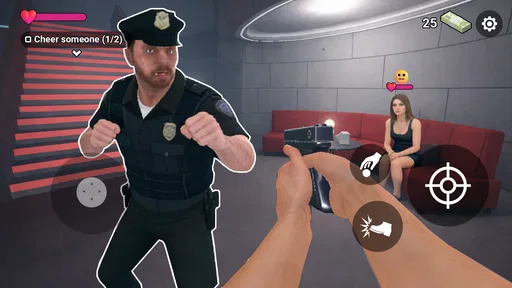
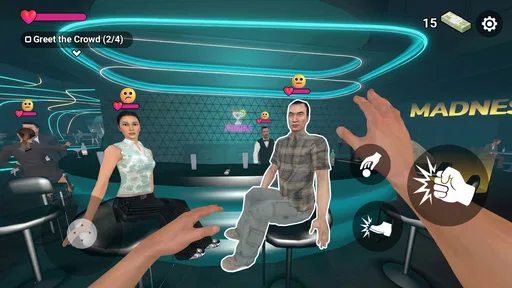
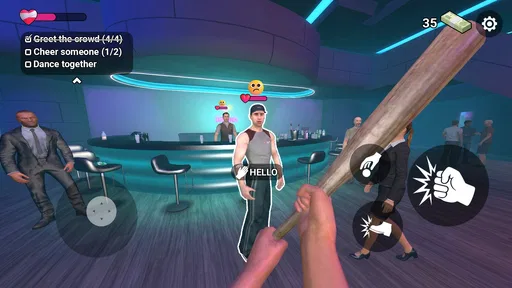
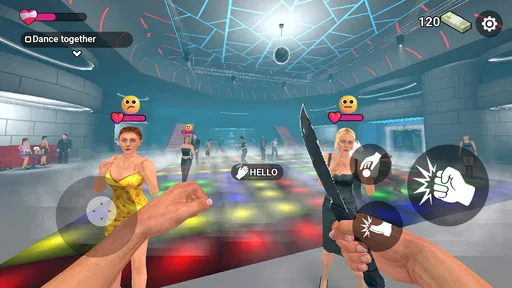
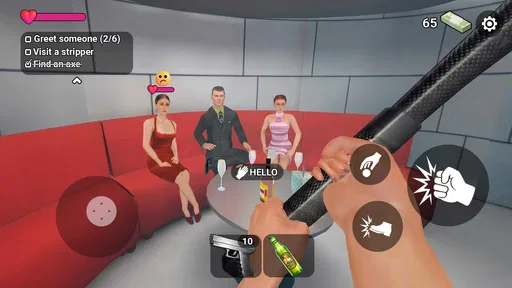
 Analysis by AppCompare
I approached NightClub Simulator as a game for players who enjoy the messy energy of running through a nightlife setting rather than a calm, menu-heavy management experience. Ant Hill Games presents it as a mobile simulation built around fights, dancing, and a story, and that combination gives it a very different rhythm from the usual shop, city, or farming simulators. One moment can feel playful and social; the next can turn tense because the game is also interested in conflict.
That mix is the main reason to try it, but it is also the first thing to understand before installing. This is not simply a nightclub decoration game, and it is not a pure action title either. I found the appeal strongest when I treated it as a compact, story-led simulation with unpredictable nightlife situations. If you want a game that stays relaxing and orderly, there are better choices. If you like the idea of a digital night out where dancing and trouble share the same space, this one has a clear personality.
What the game feels like in actual use
The first useful distinction is between the store summary and the experience of playing. “Fights, dancing, and story” sounds simple, but it sets an expectation that the game will keep changing mood. You are not only watching a venue develop from a distance. You are participating in a setting where social activity and confrontation sit close together. That makes short sessions feel more eventful than a conventional simulation in which progress is mostly a sequence of upgrades or routine tasks.
I would describe the tone as deliberately chaotic rather than polished and peaceful. The nightclub setting gives the game an immediate visual and thematic identity, while the story provides a reason to move from one situation to the next. The simulation label matters because the environment is more than a backdrop, yet players looking for deep business accounting or detailed staff management should keep their expectations measured. The attraction is the combination of setting and incidents, not a spreadsheet disguised as entertainment.
In everyday use, it works best when I have a little time to focus but do not want a long, serious gaming session. A late-evening play session can be especially fitting: I can enter the club atmosphere, follow the current story direction, deal with whatever conflict appears, and stop after a natural moment. It is less suitable when I want something that can be played almost automatically while I am distracted, because the blend of action and narrative asks for attention.
Where new players are most likely to get stuck
The first point of friction is understanding what kind of game this really is. Someone installing it because the word “simulator” suggests quiet customization may be surprised by the fights. Someone arriving for action may wonder why the story and nightclub activities interrupt the pace. My advice is to give the opening a fair chance before judging the balance. The game is built around the contrast, and trying to force it into one familiar category makes its structure feel more confusing than it needs to be.
Another common stumbling block is assuming that every problem is a gameplay challenge. In a mobile game with several kinds of interaction, a missed input, a delayed response, or a scene that seems not to advance can come from the device or the app state rather than from a deliberately difficult objective. Before repeating an action again and again, I check whether the game has actually registered the previous step. That simple pause prevents a lot of unnecessary frustration.
Worth Reading Before You Choose

EA SPORTS FC Mobile 26 Is a Bigger Football Game, but It Takes Time

Flipboard Shows What News Apps Must Do Beyond the Feed

Switching to Android Auto Means Rethinking Your Driving Routine

Google Calendar Makes a Crowded Week Easier to Manage

Ludo King Makes the Most of the Minutes Between Plans

Baby Panda World Brings Quick Play to Modern Phones, but Its Game Library Feels Busy
The story can also create uncertainty because it encourages players to follow context instead of treating every scene as an isolated mini-game. When I am unsure what to do, I look for the most recent narrative cue and try the obvious interaction connected to it rather than wandering randomly. This is a better approach than tapping everywhere, especially on a smaller phone where crowded scenes can make precise input less comfortable.
Players should also remember the Teen content rating. The presence of fights means this is not the right recommendation for a child’s first simulation game, even though dancing and nightlife may initially make it look lighthearted. I would choose it for older players who are comfortable with a more dramatic, mischievous atmosphere and who want the setting to include trouble instead of avoiding it.
Checks I make before settling in
Installation is straightforward in principle because the game is free to download, but free does not mean every part of the experience is outside the purchase model. Optional in-app items cost $3.49 each, so I would decide in advance whether I am happy to play without buying anything. That small decision matters: it keeps the first session focused on learning the game instead of turning every moment into a question about whether a purchase would make progress easier.
Compatibility is another sensible first check. The game requires Android 7.0 or later, and the current release is version 1.1.2. If the game does not install or behaves strangely, I first confirm that the phone meets that operating-system requirement and that the device has enough free space for a new game. I do not treat a failed installation as evidence that the title itself is broken until those basics are clear.
I also prefer starting with a stable connection and a charged device, even when I am not sure how much connectivity the game needs during every moment. A nightclub scene with action and story is not ideal for testing while switching between weak mobile reception and other apps. Beginning from a clean launch, with unnecessary background apps closed, gives me a much clearer idea of whether a problem is repeatable.
Permissions and notification choices deserve a quick look as well. I do not approve anything automatically; I read each request and allow only what makes sense for my use. This is a general phone habit rather than a claim about a particular requirement of the game. It keeps setup tidy and makes later troubleshooting easier because I know what I changed.
Finally, I make sure I have enough uninterrupted time for the first run. The opening is where the game teaches its tone and basic expectations. If I launch it while answering messages, I can easily mistake a missed instruction for poor design. A focused first session is a practical setup step, not just a courtesy to the developer.
How I recover when a session goes wrong
When a scene stops responding, my first move is to wait briefly and avoid repeated tapping. Rapidly pressing the same control can make it harder to tell whether the game is delayed or whether the input was ignored. I then try the action once more, paying attention to whether the character, camera, or story state changes. This is especially useful in a game that moves between social scenes and fights, where the expected response may not always be immediate.
If the problem remains, I leave the current session and reopen the game. On a phone, I close it normally rather than repeatedly forcing the app to stop unless the screen is genuinely frozen. I also close other demanding apps before trying again. These are simple steps, but they separate a one-off mobile hiccup from a problem that happens consistently in the same part of NightClub Simulator.
For installation trouble, I check the operating-system version, available storage, and the reliability of the connection before attempting another download. If an update is available, I use the current version rather than trying to diagnose behavior from an older build. Since the game is actively identified as version 1.1.2, keeping the installation current is the sensible baseline for any troubleshooting conversation.
Progress-related anxiety needs a slightly different approach. I avoid deleting the game or clearing its storage as a first reaction, because those actions can affect local game state. Instead, I restart the app, replay the immediate step carefully, and note exactly what happened. If the same issue returns, recording the scene, the action I took, and what appeared on screen gives much more useful information than saying only that the game “does not work.”
Purchases deserve the same patience. If an optional item does not appear immediately, I do not tap the purchase control repeatedly. I check whether the transaction is still processing, reopen the game once, and review the platform’s purchase history before trying anything else. This avoids accidental duplicate attempts and keeps the problem separate from ordinary gameplay confusion.
When the phone or connection is the real problem
Not every rough session points to Ant Hill Games. A phone that is nearly full, running hot, or busy with several demanding apps can make any interactive game feel less responsive. NightClub Simulator’s combination of movement, action, and story is more sensitive to distraction than a turn-based puzzle, so I judge it under normal conditions: a reasonably cool device, enough storage, and no heavy downloads running in the background.
A weak connection can also create misleading symptoms, particularly during installation, updates, or any moment that depends on communication with the platform. If the game launches but a store-related action behaves strangely, I test the connection separately and give the process time to complete. I do not assume that reinstalling will fix a network delay, and I would not use a second purchase attempt as a troubleshooting shortcut.
Screen size and control comfort are personal factors that deserve more attention than they usually get. On a compact phone, nightlife scenes can feel visually busy, and precise interactions may be less comfortable than on a larger display. A larger screen does not change the game’s design, but it can make the mixture of dancing, story moments, and fights easier to follow. If I were choosing a device specifically for this game, I would prioritize comfortable visibility over raw specifications alone.
Battery behavior is another everyday consideration. I do not begin a longer session when the phone is already low or charging in a place where the cable makes handling awkward. Heat and power-saving behavior can change how responsive a game feels, so I test again after the device has cooled and the battery settings are normal. That does not excuse genuine bugs, but it prevents a temporary device condition from becoming an unfair verdict.
For younger players, the issue may not be technical at all. The Teen rating and fighting theme make parental judgment important. I would not hand this over as a surprise distraction for a child simply because it is free. The setting may look like dancing and entertainment, but the conflict is part of the identity, so the intended audience should be clear before anyone starts playing.
How it compares with familiar simulation choices
Compared with a farming simulator, this game is less predictable and less soothing. Farming games usually reward routine: plant, wait, collect, and improve. NightClub Simulator instead uses the nightclub as a stage for social energy, story movement, and fights. I would choose the farm alternative when I want a gentle daily loop; I would choose this one when I want the setting itself to create surprises.
It also differs from a traditional business simulator. A serious management game might make staffing, budgets, stock, and long-term planning the main challenge. Here, the appeal is more immediate and character-driven. The venue gives the action context, but I would not install it expecting a detailed accounting exercise. That trade-off is helpful for players who find management screens tiring, while it may disappoint anyone who wants to optimize every part of a virtual club.
Against a pure fighting game, the nightclub title offers more atmosphere and narrative framing but less single-minded intensity. The fights are part of a broader experience rather than the only reason to play. If you want fast matches with minimal interruption, a dedicated action game will probably feel cleaner. If you enjoy having a reason for the conflict and a social environment around it, this hybrid approach is more distinctive.
The free entry point makes it easy to test that difference without committing money up front. Still, I would not measure value only by the download price. The more important question is whether the unusual blend holds your attention after the novelty of the setting fades. The $3.49 optional items are best treated as a personal spending choice, not as a reason to assume the game will suit everyone.
Who gets the most from the experience
I think the strongest audience is made up of players who like simulation games with a strong setting and do not mind sudden changes in tone. You may enjoy it if the idea of moving through a nightclub story, watching social scenes unfold, and handling fights sounds more appealing than building a quiet virtual business. The game also suits people who prefer short, eventful sessions over long resource-planning routines.
It is a weaker match for anyone seeking a completely peaceful game, a deep club-management system, or a pure combat loop. Players who dislike touchscreen action, busy scenes, or story interruptions should be cautious. I would also skip it for a young child because the Teen rating and fights are not incidental details; they shape the experience.
My practical recommendation is to play the opening without spending money, use a stable setup, and decide based on the rhythm rather than the nightclub theme alone. Notice whether the switch between dancing, story, and conflict feels engaging or irritating. That test tells you more than the high-level description because the central trade-off is personal: the same unpredictability that makes the game memorable can make it feel unfocused to another player.
My practical verdict
NightClub Simulator is an unusual free simulation from Ant Hill Games, and its identity comes from refusing to stay in one lane. The nightclub setting, story, dancing, and fights create a more dramatic experience than a standard management game. I appreciate that it gives players a clear atmosphere instead of presenting another interchangeable shop or farm, and the 4.7 average from around 8.2 thousand ratings suggests that the concept has connected with a substantial audience. It has also passed one million installs, which makes it easy to find a community of players familiar with its basic appeal.
My reservations are equally clear. The hybrid design can feel uneven if you wanted only management, only dancing, or only combat. Mobile performance, screen comfort, and interruptions from everyday phone conditions can also affect the first impression, so I would not judge it after a rushed installation or a session played on an overloaded device. The optional $3.49 items mean I would keep spending controlled until I knew the core loop was genuinely worth more time.
My recommendation is to try it when you want a story-led nightlife simulation with conflict, not a relaxing club decorator or a dedicated fighting game. Start with the free experience, confirm that the phone meets the Android 7.0 requirement, play in a stable session, and pay attention to how the changing pace feels. For the right player, that mixture is exactly what makes the game stand out. For everyone else, one of the more focused alternatives in the simulation category will likely be a better fit.
After spending time with it, I see NightClub Simulator as a game best approached with flexible expectations. It is most enjoyable when I accept the nightclub as a lively story setting rather than demanding a perfectly orderly simulator. That is a narrow recommendation, but an honest one: if that description sounds like your kind of mobile game, Ant Hill Games has created something worth testing.
Pros
- Realistic club-management tasks create a varied gameplay loop.
- Allows players to experiment with different nightclub strategies.
- Atmospheric visuals help capture the feel of a busy nightlife venue.
- Progression gives a clear sense of growth as the club expands.
- Suitable for short play sessions when you want casual management gameplay.
Cons
- Some tasks may become repetitive after extended play.
- Managing several club areas can feel overwhelming at first.
- Performance may vary on older or less powerful devices.
- The nightlife theme may not appeal to every type of player.
- Progress can feel slower when upgrades require significant resources.
FAQs for NightClub Simulator
What is NightClub Simulator about?
NightClub Simulator is a management and simulation game focused on running your own nightclub. You take care of the venue, organize its daily operations, serve guests, manage staff, improve facilities, and work toward building a more successful entertainment business. The experience combines business decisions with interactive tasks, giving you a hands-on role rather than simply watching numbers increase.
Is NightClub Simulator suitable for all ages?
NightClub Simulator may not be appropriate for younger players because its setting is based on nightlife and nightclub culture. Depending on the version and platform, it can include references to alcohol, partying, adult-oriented environments, or mature themes. Parents should check the official age rating and store description before allowing children to download or play it.
Can I play NightClub Simulator offline?
Whether NightClub Simulator works completely offline can depend on the platform version and the specific features being used. Core gameplay may be available without a constant connection, but internet access could still be required for downloading the game, receiving updates, viewing advertisements, synchronizing progress, or using online services. Check the store listing for the latest connectivity requirements.
Is NightClub Simulator free to download and play?
NightClub Simulator may be offered as a free download, but availability, pricing, advertisements, and in-app purchases can vary between Android and iOS. Some optional purchases may speed up progress, unlock content, or remove advertising. Before installing, review the store page carefully so you understand the payment model and can avoid unexpected charges.
What devices are compatible with NightClub Simulator?
Compatibility depends on the version of NightClub Simulator available for your device. Android users should verify the minimum Android version, required storage space, and hardware requirements in Google Play. iPhone and iPad users should check the required iOS or iPadOS version. Keeping enough free storage and installing system updates can also help prevent crashes or performance problems.


